 11
11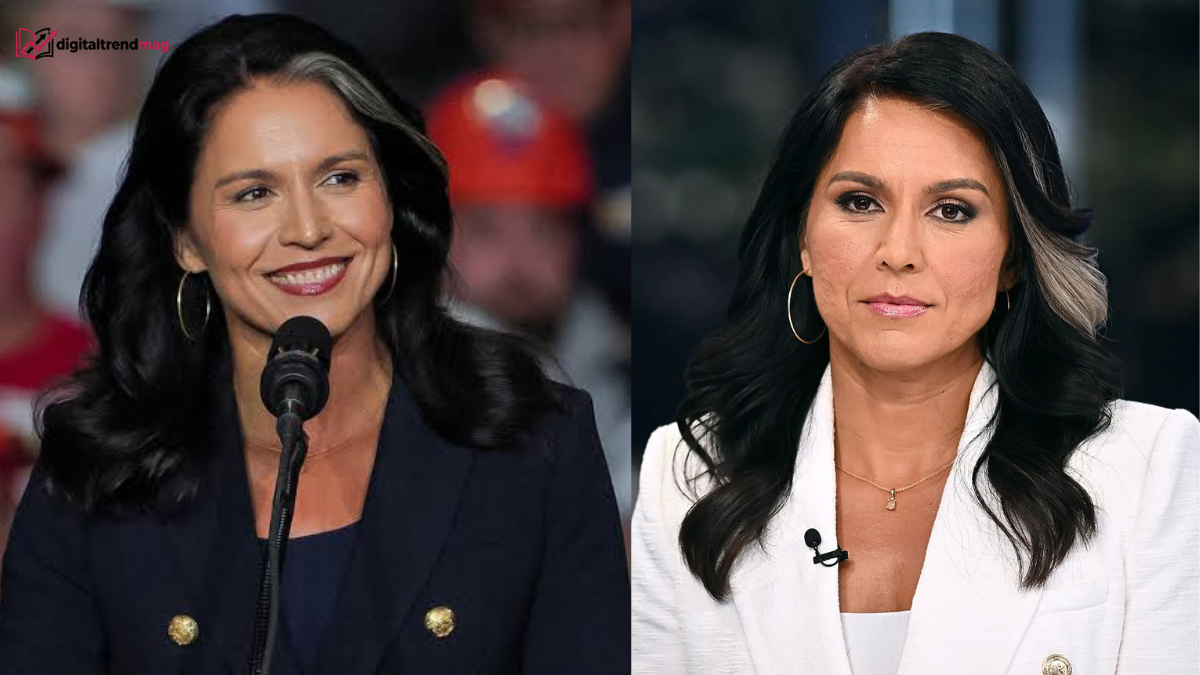
Tulsi Gabbard is one of the most recognizable and unconventional figures in modern American politics. Known for her military service, independent political views, and willingness to challenge both major political parties, Gabbard has built a career that has attracted both loyal supporters and vocal critics. Over the years, she has served as a U.S. Representative, a presidential candidate, a military officer, and a media commentator. Her political evolution has made her one of the most discussed personalities in American public life.
This article explores Tulsi Gabbard’s early life, military service, political career, major policy positions, controversies, and lasting influence on American politics.
Tulsi Gabbard was born on April 12, 1981, in Leloaloa, American Samoa. She later moved with her family to Hawaii, where she spent most of her childhood. Raised in a multicultural household, Gabbard was exposed to diverse religious and cultural traditions from an early age.
She was primarily homeschooled during her youth and later earned a Bachelor of Science degree in Business Administration from Hawaii Pacific University. Her upbringing emphasized public service, leadership, and community involvement, values that would shape her future political career.
One of the defining aspects of Tulsi Gabbard’s career is her military service. She joined the Hawaii Army National Guard in 2003 and has served in various military roles throughout her career.
She was deployed to Iraq from 2004 to 2005, where she served in a medical unit. Later, she was deployed to Kuwait, where she held leadership responsibilities supporting regional military operations.
Her military experience became a central part of her political identity. Gabbard has frequently cited her firsthand experience in war zones when discussing U.S. foreign policy, veterans’ issues, and national security.
Her service has earned her several military awards and recognition, reinforcing her reputation as a public servant with direct military experience.
Tulsi Gabbard entered politics at a remarkably young age. At just 21 years old, she became one of the youngest individuals ever elected to the Hawaii State Legislature.
During her time in the Hawaii House of Representatives, she focused on education, environmental conservation, and local economic development.
After serving in the state legislature, she worked in local government before launching a campaign for the U.S. House of Representatives.
In 2012, Tulsi Gabbard was elected to represent Hawaii’s 2nd Congressional District in the U.S. House of Representatives. She made history as one of the first Hindu members of Congress and one of the first female combat veterans elected to the House.
During her congressional tenure, Gabbard served on several committees dealing with foreign affairs, homeland security, and armed services.
She became known for advocating:
Her willingness to criticize leaders from both political parties often distinguished her from many of her congressional colleagues.
Perhaps no issue has defined Tulsi Gabbard more than her foreign policy positions.
She has consistently argued against what she describes as “regime change wars,” believing that military interventions have often produced unintended consequences and prolonged conflicts.
Gabbard has advocated for:
Supporters praise her anti-war stance as principled and informed by military experience.
Critics, however, argue that some of her foreign policy positions have been overly sympathetic toward certain foreign governments or insufficiently critical of authoritarian leaders.
In 2019, Tulsi Gabbard announced her candidacy for the 2020 Democratic presidential nomination.
Throughout the campaign, she emphasized several key themes:
One of the most widely discussed moments of her campaign occurred during a Democratic primary debate, where she sharply criticized Senator Kamala Harris’s record as California’s attorney general.
Although Gabbard gained significant media attention and built a dedicated base of supporters, she struggled to gain enough momentum to become a leading contender in the Democratic primary.
Eventually, she suspended her campaign and endorsed Joe Biden.
Following her departure from Congress and the presidential campaign, Tulsi Gabbard increasingly positioned herself as an independent political voice.
In 2022, she announced that she was leaving the Democratic Party, stating that she believed it had become increasingly divisive and disconnected from many Americans.
Since then, she has appeared frequently on television, podcasts, and public forums discussing topics such as:
Her shift away from the Democratic Party attracted attention from conservatives, independents, and moderate voters alike.
Tulsi Gabbard has maintained a significant media presence after leaving elected office.
She regularly participates in:
Her communication style is generally direct and policy-focused, allowing her to reach audiences across different political backgrounds.
She has also written and spoken extensively about leadership, military service, and civic responsibility.
Throughout her public career, Tulsi Gabbard has advocated for a variety of policy positions.
She supports maintaining a strong military while limiting unnecessary foreign interventions.
Improving healthcare, mental health services, and employment opportunities for veterans has remained one of her highest priorities.
Gabbard has often expressed concern about government surveillance and has advocated for stronger constitutional protections regarding privacy and free speech.
While her healthcare proposals have evolved over time, she has generally supported expanding access to affordable healthcare.
She has promoted reforms aimed at reducing mass incarceration and improving rehabilitation programs.
Earlier in her congressional career, she strongly supported renewable energy investments and environmental conservation initiatives.
Observers often describe Tulsi Gabbard as an independent thinker who is willing to challenge political norms.
Her leadership style emphasizes:
Even those who disagree with her positions frequently acknowledge her willingness to express unpopular opinions.
Like many prominent political figures, Tulsi Gabbard has faced criticism throughout her career.
Some critics have questioned:
Supporters, however, argue that her willingness to challenge conventional political thinking demonstrates independence rather than inconsistency.
Her career illustrates how political figures can become polarizing while maintaining significant public attention.
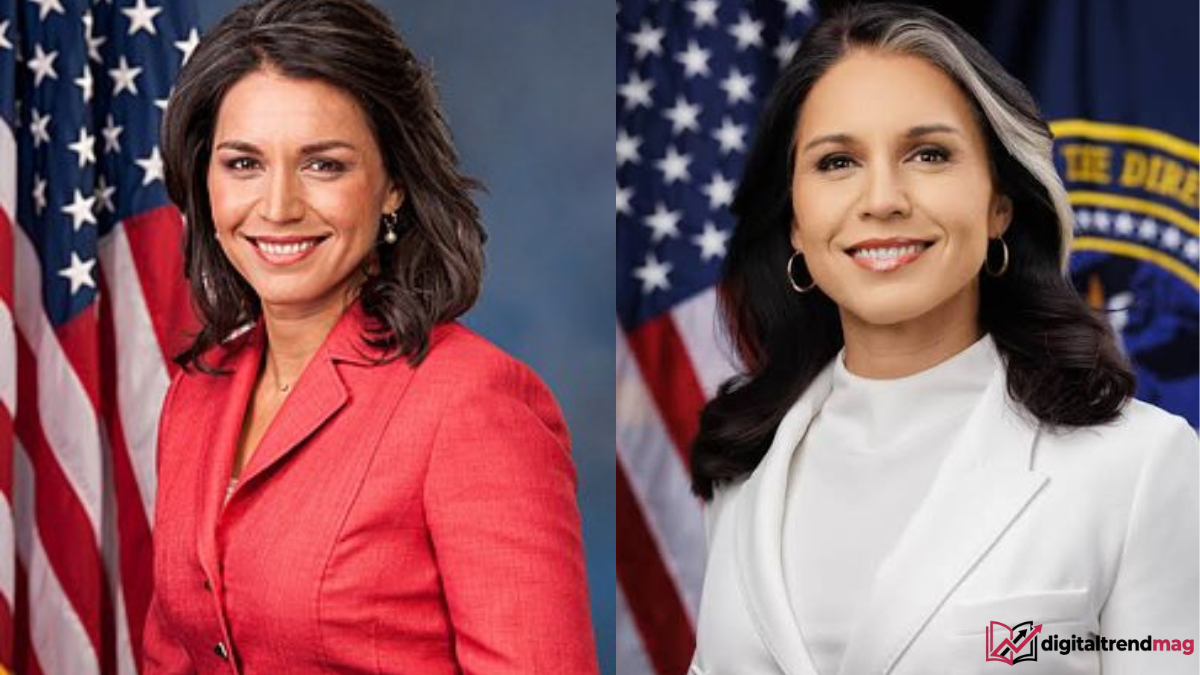
Although Tulsi Gabbard has held relatively few elected offices compared to many national politicians, her influence extends well beyond Congress.
She has contributed to national conversations surrounding:
Her unique combination of military service and political experience has allowed her to occupy a distinctive place in American public life.
Regardless of political affiliation, many observers recognize her as one of the most unconventional political figures of her generation.
Tulsi Gabbard’s career reflects an unusual journey through American politics. From serving in the Hawaii State Legislature to representing Hawaii in Congress, running for president, and later becoming an independent political commentator, she has consistently challenged traditional political expectations.
Her military background, emphasis on foreign policy reform, and willingness to depart from party orthodoxy have made her both influential and controversial. Whether viewed as a reformer, an independent voice, or a polarizing political figure, Tulsi Gabbard continues to shape discussions on national security, civil liberties, and the future of American politics.
As American politics continues to evolve, Tulsi Gabbard remains a significant public figure whose career demonstrates the complexities of leadership, public service, and political independence in the twenty-first century.